
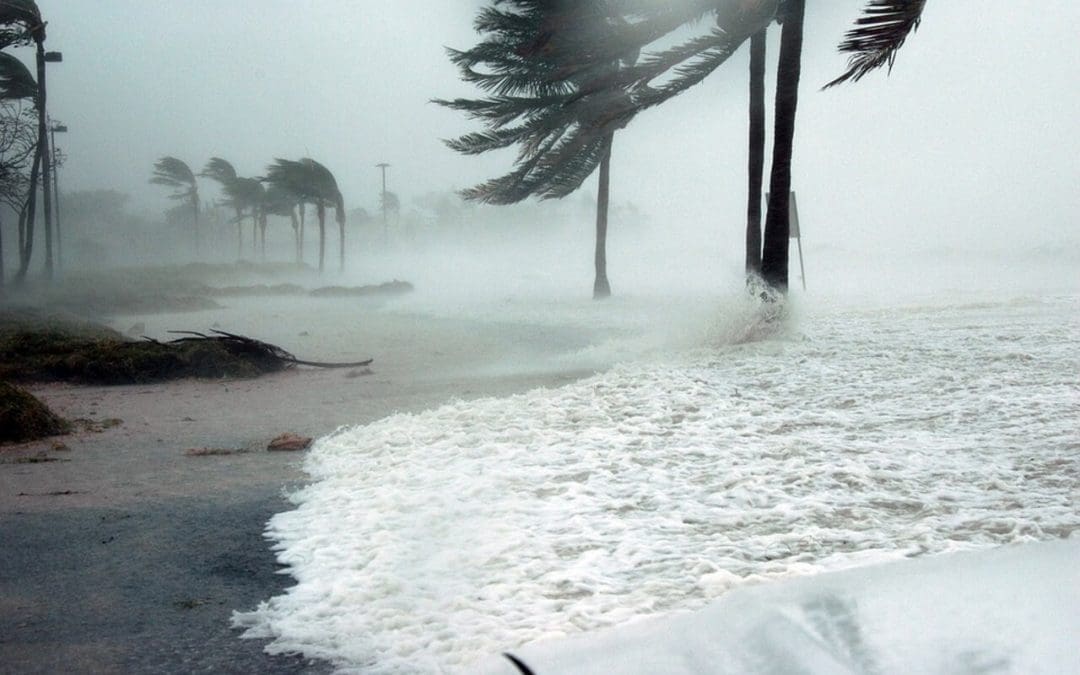
Hurricane season runs through November 30, with the peak of activity concentrated between August and October. That window is predictable; what isn’t predictable is when a storm will form, how strong it will be, or exactly where it will make landfall. The homeowners who weather hurricane season best are the ones who’ve prepared their homes in advance, established their plans early, and aren’t scrambling when everyone else is emptying the hardware store shelves.
Why Preparing Before a Hurricane Starts Matters
Preparation that happens before a storm is named is preparation done at full effectiveness. Once a hurricane enters the forecast cone, the window to act narrows dramatically, contractors become unavailable, storm shutters sell out, and making structural decisions with a storm seventy-two hours away is no way to make good ones. Hurricane season preparation is most valuable before any threat exists, when there’s time to think clearly and address issues that need professional attention. The cost of hurricane preparation is a fraction of the cost of hurricane damage. Storm damage to roofs, windows, and interiors is among the most expensive repair categories in residential homeownership, and much of it is preventable.
Protecting Your Home’s Exterior For Hurricane Season
The exterior of your home is its first and most important line of defense. Starting at the roof is the right approach, since roof damage is the most common and most consequential form of hurricane damage in residential properties. Inspect your roof for missing or curling shingles, deteriorated flashing, and any signs of lifting along the edges. An inspection by a licensed roofing contractor gives you time to address deficiencies before the season begins. Garage doors are the largest and most vulnerable opening on most homes. A failed garage door in high winds allows pressure to build inside that could destroy the roof structure from within. If your garage door isn’t rated for hurricane winds, bracing kits or a hurricane-rated replacement are worth considering. Windows and doors should be protected with impact shutters, accordion shutters, or pre-cut plywood stored for the season. Impact windows eliminate the installation step and provide the highest level of protection available. Walk your property and identify everything that could become a projectile.
Emergency Supplies and Household Planning for Hurricane Season
Physical preparation of the home addresses what happens to the structure, emergency planning addresses what happens to the people inside it. Every household in a hurricane-prone area should maintain a supply kit that doesn’t require last-minute assembly. A well-stocked kit includes three to seven days of water at one gallon per person per day, non-perishable food, a battery-powered weather radio, flashlights and batteries, a first aid kit, important documents in a waterproof container, cash in small bills, a full tank of gasoline, and at least a week’s supply of any necessary medications. Know your evacuation zone and your evacuation route before any storm threatens. Evacuation routes become congested quickly, and having a destination identified in advance removes a critical decision from an already stressful moment.
Home Insurance and Documentation
Review your homeowner’s insurance policy, paying specific attention to the hurricane or windstorm deductible, which is often separate from and substantially higher than the standard all-peril deductible. Understand what your policy covers and what it doesn’t. Flood damage from a hurricane is not covered by a standard homeowner’s policy and requires separate flood insurance. If your home is in a flood zone and you don’t have flood coverage, understanding the typical 30-day waiting period before it takes effect makes closing that gap urgent. Create a home inventory, photos or video of every room and its contents, stored digitally off-site or in the cloud. This documentation streamlines the claims process and ensures you’re not relying on memory to establish what you owned.
Frequently Asked Questions (FAQs)
How much plywood do I need to cover windows?
Measure the exterior dimensions of each window and door, adding several inches on each side for secure fastening into wall framing. Cut plywood in advance, label each piece for its opening, and store it where accessible. Half-inch CDX plywood is the minimum recommended thickness; five-eighths inch is better for larger openings. Pre-cutting eliminates the rush when a storm threatens.
Does hurricane season preparation affect homeowners’ insurance rates? Often, yes, favorably. Impact windows, hurricane-rated garage doors, and verified roof condition frequently qualify for premium discounts through wind mitigation credits. A wind mitigation inspection by a licensed inspector provides documentation insurers use to calculate discounts. In high-risk states, these discounts can be substantial. Contact your insurer to understand which improvements qualify and what documentation they require.
What is the most important thing to do when a hurricane warning is issued?
If you are in an evacuation zone and an order is issued, leave early. The single most dangerous decision during hurricane season is choosing to stay in a mandatory evacuation zone. Outside of evacuation situations, priority actions are securing the exterior, filling bathtubs with water for flushing if service is disrupted, charging all devices, fueling vehicles, and moving to an interior room on the lowest floor above flood risk when the storm arrives.
How long should my hurricane supply kit sustain my household?
FEMA recommends a minimum of three days, but many emergency management professionals recommend seven, given that power, water, and access to services can take longer to restore after a significant storm. In areas that have experienced major hurricanes, two weeks of food and water independence is a more realistic standard. Medications, special dietary needs, infant supplies, and pet food require the most advance planning and should be prioritized.
Certified Home Inspectors of Florida provides home inspections, including wind mitigation inspections, in Ocala and surrounding counties. Contact us to schedule an appointment for our services.