
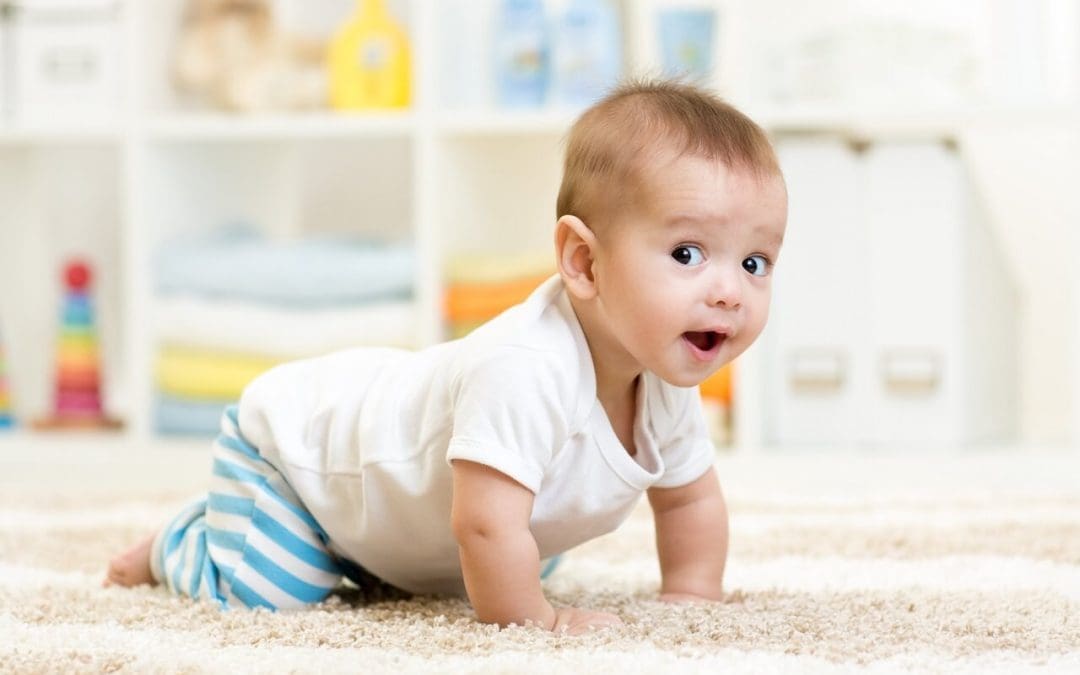
The moment a baby starts moving, your home transforms from a comfortable living space into an obstacle course of potential hazards. Babyproofing is the process of identifying and addressing those hazards before your little one finds them first, and it’s one of the most important things new and expecting parents can do. The good news is that thorough babyproofing doesn’t require a complete home overhaul; it requires a systematic approach, the right products, and a willingness to look at your home from a whole new angle.
Why Babyproofing Deserves More Attention Than Most Parents Give It
Most parents think about babyproofing in terms of outlet covers and cabinet locks. While those matter, a truly comprehensive approach covers every room, every surface level, and every system in the home. Babies and toddlers are remarkably fast at getting into things they shouldn’t, and the hazards that cause the most serious injuries are often the ones parents didn’t think to address. Falls, poisonings, suffocation, drowning, and burns account for the vast majority of childhood injuries at home. Understanding which hazards are most dangerous and which areas carry the highest risk is the foundation of effective babyproofing.
Start With a Room-by-Room Babyproofing Assessment
The most effective way to babyproof your home is to approach it room by room, getting down to your baby’s level, literally crawling through each space, to see what they’ll encounter. Hazards invisible from adult height become obvious at floor level. In the kitchen, secure lower cabinets with child safety locks and move cleaning products, sharp objects, and medications out of reach. Stove knob covers prevent little hands from turning on burners. In bathrooms, toilet locks, non-slip bath mats, and cabinet locks are all essential. Set your water heater to 120°F or lower to prevent scalding. In living rooms, anchor tall bookshelves, dressers, and entertainment centers to the wall using anti-tip straps, furniture tip-overs are a leading cause of serious childhood injury and a step many parents overlook. Cover electrical outlets, secure loose cords, and pad sharp furniture corners within reach.
Address the Most Serious Hazards First
Not all babyproofing tasks are created equal. Some hazards are nuisances if reached; others are life-threatening. Prioritize the most serious risks first. Water is one of the most immediate dangers. If you have a pool, pond, or even a decorative fountain, securing it with proper fencing and self-latching gates is non-negotiable. Young children can drown in as little as an inch of water, even buckets left outside should be emptied and stored. Always close bathroom doors and drain tubs immediately after use. Stairways need sturdy gates at both the top and bottom, hardware-mounted gates are required at the top where a fall could be catastrophic. Blind and curtain cords are a strangulation hazard that’s easy to overlook; cordless window treatments eliminate the risk entirely.
Babyproofing for the Stages Ahead
One of the most important things to understand about babyproofing is that it’s not a one-time project; it’s an evolving process that needs to keep pace with your child’s development. What contains a crawler won’t contain a confident walker. What stops a one-year-old won’t stop a determined two-year-old who’s figured out how to climb. Revisit your babyproofing every few months as your child hits new milestones. When they start pulling up, make sure everything within reach is stable and anchored. When they start climbing, assess raised surfaces. When they develop the dexterity to open doors, consider handle covers for rooms that need to stay off-limits. Childproofing products also wear over time. Check cabinet locks, gate latches, and outlet covers periodically.
Frequently Asked Questions (FAQs)
When should I start babyproofing my home?
Ideally, start before your baby becomes mobile. Many parents find it helpful to begin during pregnancy when there’s more time for a thorough assessment. The goal is to stay ahead of each developmental stage rather than reacting after your baby has already discovered a hazard.
What are the most important babyproofing items to have?
Cabinet locks, stair gates, furniture anti-tip straps, outlet covers, door knob covers, and cordless window treatments cover the majority of serious hazards. Pool and water source fencing is critical if applicable.
Do I need to babyproof every room in the house?
Every room your child can access should be assessed, but not necessarily to the same degree. Rooms like a home office, laundry room, or garage are often best kept off-limits entirely using door locks. Focus your most intensive babyproofing on the spaces where your baby spends the most time.
Is it worth hiring a professional babyproofer?
For parents who want a comprehensive assessment and peace of mind, professional baby safety consultants are worth considering. They’re trained to identify hazards parents often miss and can recommend the most effective products for your specific home layout. It’s a worthwhile investment, particularly for families in older homes with more complex hazard profiles.
How do I babyproof without damaging my walls or furniture?
Many modern babyproofing products minimize damage. Adhesive-based cabinet locks, pressure-mounted gates, and plug-in outlet covers leave little to no mark. Anti-tip straps can be anchored into studs with small screws.
Certified Home Inspectors of Florida offers home inspection services in Ocala and the surrounding counties. Contact us to request our services.